


How can you avoid nickel poisoning methanol catalyst issues?
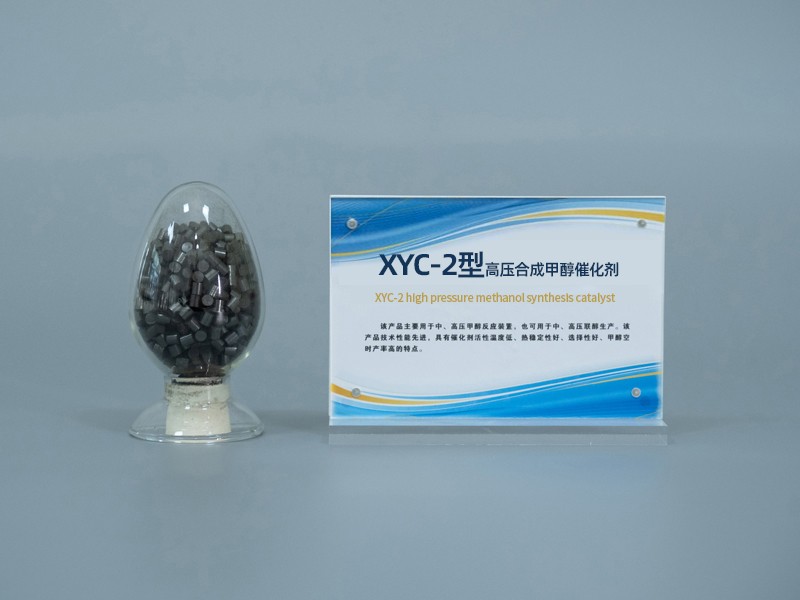
Preventing nickel and heavy metal poisoning in methanol catalysts starts with strict feedstock purification, precise temperature control, and routine system checks. Plant operators can minimize risk by using advanced copper-based catalysts with low impurity content and high thermal stability. The XYC-2 High-Pressure Methanol Synthesis Catalyst from Henan Xinye Catalyst Co., LTD offers enhanced resistance to contamination and ensures stable, long-term performance. Regular maintenance and careful handling further support reactor efficiency and reliability.
Key Takeaways
Purify feedstock to remove contaminants like sulfur, halides, and trace heavy metals. This step is crucial for protecting the active copper sites in methanol catalysts.
Optimize process conditions by maintaining optimal temperatures (e.g., 210℃~270℃). This practice reduces the risk of thermal sintering and heavy metal poisoning.
Select advanced catalysts, such as XYC-2, that offer high thermal stability and strong toxicity resistance.
Implement routine monitoring of temperature, pressure, and impurity levels (keeping total sulfur below 0.1ppm) to prevent costly downtime.
Detect early signs of catalyst poisoning by monitoring methanol yield and reactor pressure drops.
Causes of Poisoning in Methanol Catalysts
Sulfur, Halides, and Heavy Metal Contaminants
Industrial methanol synthesis relies heavily on copper-based catalysts (typically Cu-Zn-Al oxides). However, trace contaminants from upstream processes—such as sulfur, halides, and volatile heavy metals like carbonyl nickel [Ni(CO)4] (which can originate from nickel-based reforming catalysts upstream)—are highly toxic to these active copper sites.
When these impurities interact with the copper-based methanol catalyst, they form strong, irreversible bonds with the copper surface. This blocks active sites, drastically reducing the catalyst's ability to convert syngas into methanol. Even trace amounts (above 0.1ppm of sulfur) can cause significant, permanent performance loss.
Tip: Regular testing of feedstock and installing guard beds (like Zinc Oxide Desulfurizers) helps detect and trap sulfur and halide levels early.
Carbon Deposition and Nickel Sintering
Carbon deposition is another major cause of deactivation. Heat release and localized hot spots can lead to the formation of carbonyl nickel or carbon whiskers, which cause physical blockage and copper sintering (agglomeration of copper crystallites). The Boudouard reaction and methane pyrolysis both contribute to carbon buildup, gradually inactivating the catalyst bed.
Prevention Strategies for Methanol Catalyst Protection
Feedstock Purification
Feedstock purification is the first line of defense. Raw syngas often contains trace amounts of sulfur, chlorine, and metal carbonyls. Operators must use advanced purification techniques, molecular sieves, and guard beds to clean the feedstock before it reaches the methanol reactor. Consistent feedstock quality is non-negotiable for extending the operational life of your methanol synthesis catalyst.
Process Optimization and Temperature Control
Optimizing process conditions plays a crucial role in minimizing poisoning and thermal degradation. The thermal conductivity of methanol catalysts is relatively poor, meaning large temperature fluctuations can cause local overheating and accelerate the "aging" of active copper grains.
Maintain optimal temperatures: For high-performance catalysts, keeping the reactor within the best use range of 210℃~270℃ limits harmful side reactions and sintering.
Control reduction rates: During startup, follow the principle of "increasing hydrogen without raising temperature" to prevent sudden spikes that compromise mechanical strength.
Monitor pressure: Avoid rapid pressure raising or lowering to prevent catalyst crushing.
Catalyst Selection: The XYC-2 Advantage
Choosing the right catalyst is vital for preventing premature failures. Advanced formulations like the XYC-2 High-Pressure Methanol Synthesis Catalyst are specifically engineered to withstand harsh syngas environments.
Backed by Henan Xinye Catalyst’s collaboration with top universities, XYC-2 is customized to feature strong toxicity resistance, high compressive strength, and excellent thermal stability.
Feature | Description & Benefit |
|---|---|
High Conversion Rate | Ensures high space-time yield of methanol even under medium/high pressure. |
Strong Anti-toxicity | Custom formulations resist poisoning from trace sulfur, chlorine, and heavy metals. |
Excellent Thermal Stability | Low shrinkage and resistance to copper grain sintering at high temperatures. |
High Mechanical Strength | Withstands mechanical stress and prevents bed pressure drop issues. |
Troubleshooting and Recovery
Identifying Poisoning Symptoms
Operators can spot early signs of poisoning by monitoring a sudden decrease in methanol production or an increase in reactor pressure drop. Visual inspection during shutdowns may reveal discoloration or carbon deposits on the catalyst surface.
Regeneration vs. Replacement
While mild carbon deposition can sometimes be addressed via thermal treatment, chemical poisoning (like sulfur or heavy metal binding) is usually irreversible for copper-based methanol catalysts. When regeneration fails to restore activity, replacement becomes necessary. Investing in high-quality, toxic-resistant catalysts like XYC-2 often provides longer service life and better economic performance over time compared to frequent replacements of standard catalysts.
FAQ
What is nickel/heavy metal poisoning in methanol catalysts?
It occurs when trace contaminants (like carbonyl nickel from upstream reforming, or sulfur/halides) bind irreversibly to the active copper sites of the methanol catalyst, blocking reactants and reducing methanol yield.
How can I protect my methanol catalyst from poisoning?
Strict feedstock purification (keeping total sulfur below 0.1ppm), using guard beds, and selecting a catalyst with strong anti-toxicity properties, such as the XYC-2 Methanol Catalyst, are the most effective methods.
Why is catalyst selection important for methanol production?
Choosing a high-quality, university-developed catalyst ensures better resistance to poisoning and thermal sintering. Advanced catalysts offer higher thermal stability and longer service life, drastically improving overall plant ROI.
What temperature should I run my methanol reactor to avoid degradation?
While catalysts can operate from 190℃ to 300℃, maintaining the temperature in the optimal range of 210℃~270℃ prevents local overheating, slows down the aging of active copper grains, and maximizes catalyst lifespan.


