


Why should the iron catalyst be powdered
You powder the iron catalyst to increase its surface area. This change lets more reactant molecules touch the catalyst, which boosts its performance. A larger surface area means stronger interactions and higher activity.
When you look at the science, smaller particles and greater surface area lead to better results.
Factor | Observation |
|---|---|
Surface Area | Higher surface areas lead to stronger interactions, boosting performance. |
Particle Size | Smaller metal particle sizes enhance catalytic activity. |
Key Takeaways
Powdering iron catalysts increases their surface area, allowing more reactant molecules to interact and speeding up chemical reactions.
Using powdered iron improves efficiency by providing more active sites for reactions, which means you can achieve better results with less material.
Fine iron powders ensure even mixing in reactions, leading to consistent results and preventing waste from uneven contact.
Proper handling and storage of powdered iron are crucial to maintain its effectiveness and safety, as fine particles can oxidize and clump if not stored correctly.
Choosing powdered iron catalysts supports environmental sustainability by reducing waste and resource use in chemical processes.
Iron Catalyst Surface Area
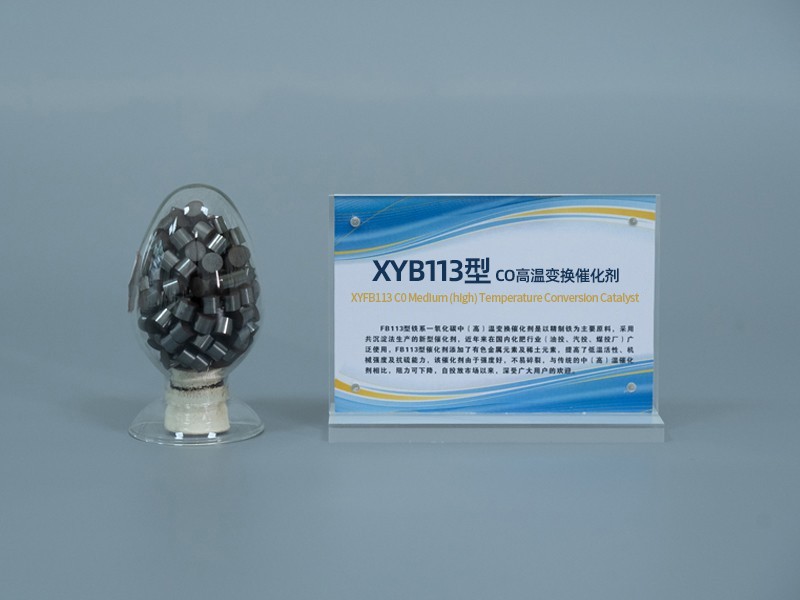
Powdering and Area
When you powder the iron catalyst, you break it into many tiny pieces. Each piece has its own surface. This change increases the total area that can touch other substances. You can think about it like breaking a big log into small sticks. The small sticks have more surface for a flame to catch.
The more surface area that is available for particles to collide, the faster the reaction will occur. For example, breaking a log into smaller sticks increases the surface area, allowing a match to ignite the kindling successfully, which would not happen with a large log.
Scientists use special methods to measure the surface area of powdered iron. Here are some common ways:
Method | Description |
|---|---|
BET method | Utilizes nitrogen gas adsorption to measure surface area through pressure variations. |
Mercury intrusion porosimetry | Measures the amount of mercury injected into pores under pressure to calculate surface area and pore size distribution. |
Gas adsorption techniques | Employs various gases (e.g., argon, carbon dioxide) to measure surface area based on gas adsorption at specific pressures or temperatures. |
Catalytic Activity
You need a large surface area for the iron catalyst to work well. Catalysis happens on the surface. Reactant molecules stick to the surface, where they change into new products. If you have more surface, you have more places for these changes to happen.
In the Haber-Bosch process for ammonia synthesis, you grind the iron catalyst into fine powders. This step maximizes the surface area, improves yield, and reduces energy use.
In wastewater treatment, reduced iron powder acts as a catalyst to generate reactive oxygen species that break down pollutants. Fine particles help the iron mix quickly with water and oxygen.
Fine powders give you more active sites. More active sites mean more chances for reactants to meet and react. In reactions on surfaces, which occur during heterogeneous catalysis, the rate of reaction increases as the surface area does. This is because more particles of the solid catalyst are exposed and can interact with reactant molecules.
You can see that powdering the iron catalyst is not just about making it smaller. It is about making it more effective in every reaction.
Reaction Rate Improvement
Faster Reactions
You notice a big difference when you use a powdered iron catalyst. Chemical reactions happen much faster. The reason is simple. Powdered iron has more surface area. Reactant molecules can touch more parts of the catalyst at the same time. This contact lets reactions start quickly and finish sooner.
Imagine you want to cook food. If you spread the food out in a thin layer, it cooks faster than a thick pile. The same idea works for chemical reactions. When you use powdered iron, you give reactants more places to interact. This speeds up the process.
Tip: If you want to see faster results in your experiment, always use a powdered catalyst. More surface area means more action.
You can see the effect in many real-world examples. Factories use powdered iron to make ammonia. The reaction happens quickly, saving time and energy. Scientists also use powdered iron in labs to break down pollutants. The process works faster because the reactants touch more iron particles.
Scientific Basis
The science behind faster reactions is easy to understand. Chemical reactions need molecules to collide. The iron catalyst gives reactants a place to meet. When you powder the iron, you increase the number of meeting spots.
Here is a simple table showing how surface area affects reaction rate:
Surface Area | Reaction Rate |
|---|---|
Low (large pieces) | Slow |
High (powdered) | Fast |
You can see that more surface area leads to a faster reaction. Scientists call this the "collision theory." More collisions mean more chances for reactions to happen. Powdered iron makes these collisions easier.
If you want your reaction to finish quickly, always choose a powdered iron catalyst. You get faster results and better efficiency.
Catalyst Efficiency
Material Utilization
You get more out of your iron catalyst when you use it in powdered form. Powdering increases the number of active sites, which means more places for reactions to happen. You can use less material and still achieve strong results. This approach helps you save resources and boosts the efficiency of your process.
Fine iron powders offer a larger surface area, giving you more active sites for chemical reactions.
Smaller particles have more surface atoms, which react faster and help mass transfer in catalytic processes.
In factories, powdered iron catalysts improve efficiency in hydrogenation and oxidation. You see this in the Haber-Bosch process and catalytic converters.
When you use powdered iron, you make sure every bit of the catalyst works hard. You avoid wasting material, and you get the most out of what you have.
Cost and Waste
Powdering the iron catalyst helps you cut costs and reduce waste. You can use materials that might otherwise be thrown away. This practice lowers the need for new raw materials and helps protect the environment.
You can use waste-derived materials to make catalysts, which reduces environmental impacts and costs from sourcing new materials.
Factories transform waste streams into valuable catalytic materials, making the process more sustainable.
Coal gangue, a byproduct of coal mining, serves as a sustainable source for catalyst production. This reduces the price of γ-Al2O3 and lowers waste disposal costs.
You help the planet by using less raw material and creating less waste. You also save money because you need fewer resources and spend less on disposal. Powdered iron catalysts make your process smarter and greener.
Tip: If you want to maximize efficiency and minimize waste, always choose powdered iron for your catalyst.
Mixing and Distribution
Even Reactant Contact
You get better mixing when you use powdered iron as a catalyst. The small particles spread out easily in your reaction mixture. Each piece of iron touches the reactants more often. You do not see clumps or uneven patches. The powder blends smoothly, so every reactant finds iron to interact with.
Powdered iron covers more area.
You see uniform distribution in the mixture.
Reactants reach the catalyst faster.
Imagine you stir sugar into water. Fine sugar dissolves quickly and spreads everywhere. Powdered iron works in a similar way. You achieve even contact between the catalyst and the reactants. This step helps your reaction run smoothly.
Note: Uniform mixing prevents dead zones where reactions slow down. You avoid wasted material and get the most out of your catalyst.
Consistent Results
You want your reactions to give the same results every time. Powdered iron helps you reach this goal. The even mixing means each batch reacts in a similar way. You do not worry about some parts reacting faster than others. You see steady yields and reliable outcomes.
Benefit | Result |
|---|---|
Uniform mixing | Predictable reaction speed |
Even contact | Consistent product quality |
No clumping | Less waste and higher efficiency |
You can trust your process when you use powdered iron. Factories rely on this method to produce chemicals with strict quality standards. Scientists use it in labs to repeat experiments and confirm findings.
Tip: If you want dependable results, always choose powdered iron. You get steady performance and avoid surprises.
Powdered iron gives you control. You manage your reaction better and reach your goals faster. You see the same outcome every time, which makes your work easier and more accurate.
Practical Aspects
Handling Powdered Iron
You need to handle powdered iron with care. The fine particles can spread easily in the air. You should avoid breathing in the dust. Use gloves and a mask when you work with powdered iron. This protects your skin and lungs. You can also use a fume hood or a well-ventilated area to keep the air clean.
Storing powdered iron requires special attention. The catalyst can lose its effectiveness if you do not store it properly. You should keep it in a sealed container. Choose a cool, dry place for storage. Avoid areas with high humidity or heat. Moisture can cause the powder to clump together. Heat and light can speed up oxidation, making the iron less useful.
Store powdered iron in airtight containers.
Keep it away from sunlight.
Place it in a dry, cool location.
Tip: Always check the storage area for leaks or dampness. This helps you keep the catalyst in good condition.
Safety and Drawbacks
You must think about safety when you use powdered iron. The dust can irritate your eyes and nose. You should wash your hands after handling the powder. If you spill it, clean the area right away. Use a damp cloth to pick up the powder so it does not spread.
Powdered iron has some drawbacks. The fine particles can oxidize quickly. This reduces the catalyst’s effectiveness. High humidity and exposure to light can make the powder degrade faster. You may need to replace the catalyst more often if you do not store it well.
Drawback | Impact |
|---|---|
Oxidation | Lowers catalytic activity |
Moisture absorption | Causes clumping and waste |
Light exposure | Speeds up degradation |
You can avoid most problems by storing the powder correctly and using safety gear. This keeps your catalyst active and your workspace safe.
You see many benefits when you use powdered iron catalyst. Powdering increases surface area, speeds up reactions, and improves efficiency. You get better mixing and consistent results in your experiments. The table below shows that powdered iron delivers high activity and selectivity compared to other types.
Catalyst Type | Activity Level | Selectivity Level |
|---|---|---|
SBA-15 | Negligible | Negligible |
SBA-15@AP | Negligible | Negligible |
SBA-15@AP-LPro | Moderate | Good |
FeCl3 | Low | Low |
SBA-15@AP-LPro-Fe | High | High |
Powdered iron will play a bigger role in the future.
You will see more use in chemical industries because of its high surface area and reactivity.
Demand for advanced magnetic materials will rise, and powdered iron will help produce them.
Environmental rules will push for energy-efficient production, and powdered iron will support these efforts.
You make your process smarter and greener when you choose powdered iron. It stands as an essential tool for catalysis.
FAQ
What is the main reason to powder the iron catalyst?
You powder the iron catalyst to increase its surface area. This lets more reactant molecules touch the catalyst, which boosts reaction speed and efficiency.
Does powdered iron work better than solid iron?
Yes. Powdered iron gives you more active sites for reactions. You see faster results and higher yields compared to using solid iron pieces.
How should you store powdered iron safely?
You should keep powdered iron in a sealed container. Store it in a cool, dry place. Avoid moisture and sunlight to prevent clumping and oxidation.
Can powdered iron be reused after a reaction?
You can reuse powdered iron if it stays clean and dry. If it clumps or oxidizes, you need to replace it for best results.


