


Hydrotreating Catalyst & ZnO: Syngas Purification Guide
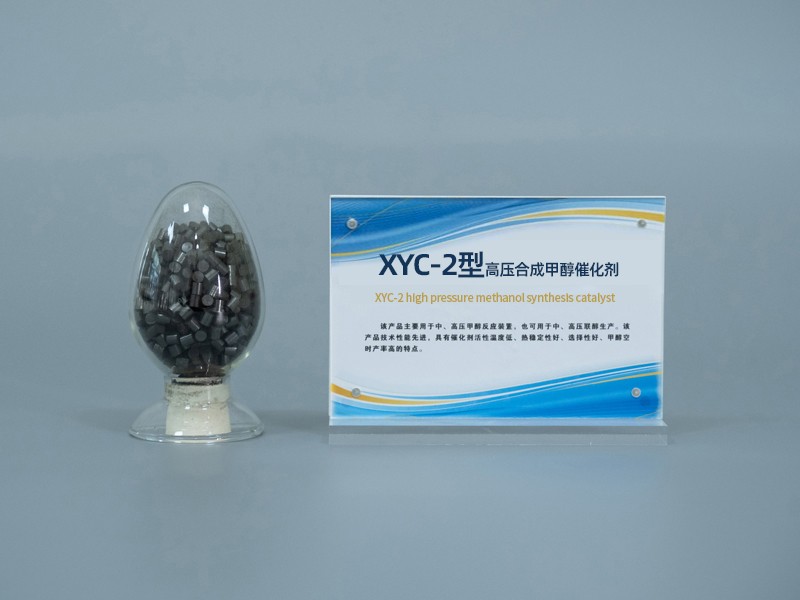
In the complex world of petrochemical refining, coal chemical engineering, and syngas conversion, sulfur removal is a non-negotiable step. At the frontline of this purification process sits the hydrotreating catalyst. While it plays a crucial role in breaking down complex organic sulfur compounds, it is only the first half of the battle. To protect downstream equipment and ensure the longevity of highly sensitive synthesis catalysts, a secondary, precision defense mechanism is required. Xinye Catalyst provides the ultimate tag-team solutions—specifically our high-performance Zinc Oxide Desulfurizer and Copper Catalysts—to optimize your gasification and syngas conversion operations.
Key Takeaways
Hydrotreating catalysts break down organic sulfur into H₂S, but do not remove it from the gas stream entirely.
H₂S poisoning is a critical bottleneck that irreversibly deactivates downstream copper and iron-based synthesis catalysts.
Zinc Oxide Desulfurizers act as the essential "polishing" step, capturing H₂S and reducing sulfur levels to below 0.1 ppm.
Xinye Catalyst offers a complete purification and synthesis loop with 20,000 tons/year copper catalyst capacity and world-class ZnO desulfurizers.
The Role of Hydrotreating Catalysts in Industrial Gas Purification
A hydrotreating catalyst (typically composed of cobalt-molybdenum or nickel-molybdenum) is the workhorse of initial gas and liquid purification. In the presence of hydrogen, it facilitates hydrodesulfurization (HDS).
The Mechanism: It breaks the chemical bonds of stubborn organic sulfur compounds (like thiophenes and mercaptans) found in crude oil fractions and coal-derived syngas.
The Result: These complex organic molecules are converted into hydrogen sulfide (H₂S) gas.
While the hydrotreating catalyst successfully "transforms" the sulfur, it does not remove it from the gas stream entirely. The sulfur is merely changed into a highly toxic and corrosive form: H₂S.
The Hidden Bottleneck: H₂S Poisoning in Downstream Processes
Once the hydrotreating catalyst has done its job, the resulting gas stream is laden with H₂S. If this gas is directed into downstream processes—such as methanol synthesis, ammonia production, or Fischer-Tropsch synthesis—disaster strikes.
Catalyst Poisoning: Most downstream synthesis catalysts (especially copper-based and iron-based catalysts) are incredibly sensitive to sulfur. Even trace amounts of H₂S will permanently bond with the active metal sites, causing irreversible deactivation.
Equipment Corrosion: H₂S combined with moisture creates highly corrosive environments that degrade pipelines and reactors.
Tip: Relying solely on a hydrotreating catalyst is insufficient. The process demands a "polishing" step to capture and lock away the H₂S before it reaches the synthesis loop.
The Syngas Purification & Conversion Workflow
To understand how different catalysts interact, industrial engineers map out the purification workflow. Below is a comparison of the traditional hydrotreating stage and the advanced solutions provided by Xinye Catalyst.
Process Stage | Primary Function | Traditional Catalyst Used | Xinye Catalyst Solution & Advantage |
|---|---|---|---|
1. Initial Hydrotreating | Break down organic sulfur into H₂S | Hydrotreating Catalyst (Co-Mo/Ni-Mo) | Pre-requisite step (Typically sourced from specialized refinery suppliers) |
2. Precision Desulfurization | Capture H₂S to protect downstream | Zinc Oxide (ZnO) Desulfurizer | Xinye ZnO Desulfurizer: High sulfur capacity, prevents downstream poisoning effectively. |
3. Syngas Conversion | Convert clean syngas to chemicals | Copper-based Catalysts | Xinye Copper Catalyst: Ideal for methanol synthesis & selective hydrogenation with strong toxicity resistance. |
4. Advanced Gasification | Enhance reaction kinetics | Iron-based Catalysts | Xinye Powdered Iron Catalyst: Maximized surface area for superior activity and faster reaction rates. |
The Perfect Partner: Zinc Oxide Desulfurizer for Precision H₂S Removal
To bridge the gap left by the hydrotreating catalyst, industrial plants rely on Zinc Oxide (ZnO) Desulfurizers. Through a direct chemical reaction (ZnO + H₂S → ZnS + H₂O), it captures hydrogen sulfide and converts it into solid zinc sulfide, effectively reducing sulfur levels in the gas stream to below 0.1 ppm.
High Sulfur Capacity & Breakthrough Time: Engineered for maximum efficiency, ensuring longer operational cycles.
Superior Mechanical Strength: Resists crushing and dusting under high-pressure gasification environments.
Stable Supply Chain: Backed by our dedicated production lines (1,000 tons/year capacity), guaranteeing availability for large-scale industrial projects.
Powering Syngas Conversion: High-Performance Copper & Iron Catalysts
Once the syngas is purified by the hydrotreating and ZnO desulfurization tag-team, it is ready for catalytic conversion. Xinye Copper Catalysts are the indispensable workhorses for modern chemistry, particularly in methanol synthesis from syngas, the selective hydrogenation of organic compounds, and the cutting-edge field of electrochemical CO₂ reduction. With common valence states of 0, +1, and +2, copper offers a remarkable versatility, combining low cost, low toxicity, and excellent catalytic performance.
Furthermore, for specific gasification applications, our Iron Catalysts are expertly powdered. Powdering the iron catalyst increases its surface area, letting more reactant molecules touch the catalyst simultaneously, which drastically boosts its performance, activity, and overall reaction kinetics.
Xinye Catalyst: Production Capacity & Corporate Strength
When sourcing catalysts that exceed domestic standards and are comparable to leading international products, manufacturing reliability is just as important as chemical performance. Founded in 2003, Xinye Catalyst has built a robust infrastructure to support global chemical industries.
Xinye Catalyst Metric | Data & Specifications |
|---|---|
Year Founded | 2003 |
Total Investment | 1.2 Billion RMB |
Copper Catalyst Capacity | 20,000 Tons / Year |
Iron Catalyst Capacity | 2,000 Tons / Year |
ZnO Desulfurizer Capacity | 1,000 Tons / Year |
Quality Standard | High-purity, high-activity, high-stability (World-class automated testing) |
R&D Capabilities | Cutting-edge R&D center collaborating with top universities. |
Industry Applications | Cracking, reforming, gasification, and syngas conversion. |
Why Global Industries Choose Xinye Catalyst
Equipped with advanced automated production equipment and rigorous quality testing systems, our catalysts meet world-class standards in purity, activity, and stability. Our diverse product range improves cracking, reforming, gasification, and syngas conversion, thereby increasing efficiency and sustainability for our clients. Our products are not only sold well in China but are successfully exported to overseas markets, winning the trust of international engineering firms.
FAQ
What is the main function of a hydrotreating catalyst?
A hydrotreating catalyst breaks down complex organic sulfur compounds in feedstocks into hydrogen sulfide (H₂S) gas through hydrodesulfurization (HDS). However, it does not remove the sulfur from the gas stream entirely.
Why do I need a Zinc Oxide Desulfurizer after hydrotreating?
Because hydrotreating leaves H₂S in the gas stream, which is highly toxic to downstream synthesis catalysts. A Zinc Oxide Desulfurizer acts as a precision "polishing" step to chemically capture the H₂S, reducing sulfur levels to below 0.1 ppm and protecting your expensive downstream equipment.
Can Xinye Catalyst supply the entire purification and synthesis loop?
Yes. While hydrotreating catalysts are typically sourced from specialized refinery suppliers, Xinye Catalyst provides the crucial downstream solutions: high-capacity ZnO Desulfurizers (1,000 tons/year), powdered Iron Catalysts (2,000 tons/year), and high-performance Copper Catalysts for methanol synthesis (20,000 tons/year).
How does Xinye ensure catalyst quality and toxicity resistance?
We utilize advanced automated production equipment and rigorous quality testing systems that meet world-class standards. Furthermore, our cutting-edge R&D center collaborates with top universities to continuously customize catalysts with high conversion rates, strong toxicity resistance, and long service life.
Ready to Optimize Your Syngas Purification Process?
Don't let sulfur poisoning bottleneck your production. Contact Xinye Catalyst today to discuss customized desulfurizer and synthesis catalyst solutions that exceed domestic standards and compete on the global stage.


